Where permitted by state and local regulations, a drive-thru can be one of the most valuable features of a successful daiquiri shop. Many operators report that drive-thru sales account for a substantial percentage of their total revenue. The Drive-Thru Has No Personality Every bar develops its own atmosphere and clientele. Some customers love that environment. Others prefer the convenience and privacy of a drive-thru. A drive-thru allows customers to purchase your products without being influenced by the crowd inside. Parents Love Convenience A drive-thru allows parents to remain in their vehicle while making a purchase rather than unloading children and entering the establishment. Many customers appreciate the ability to pick up properly sealed beverages on their way home, to a gathering, or to another destination. You'll Reach More Customers Many drive-thru customers would never walk into a traditional bar. A drive-thru broadens your customer base far beyond traditional bar patrons. The Sales Impact A properly designed drive-thru can increase overall sales by 50% to 60% compared to a similar operation without one. For many operators, it becomes one of the most valuable revenue-producing assets in the business.
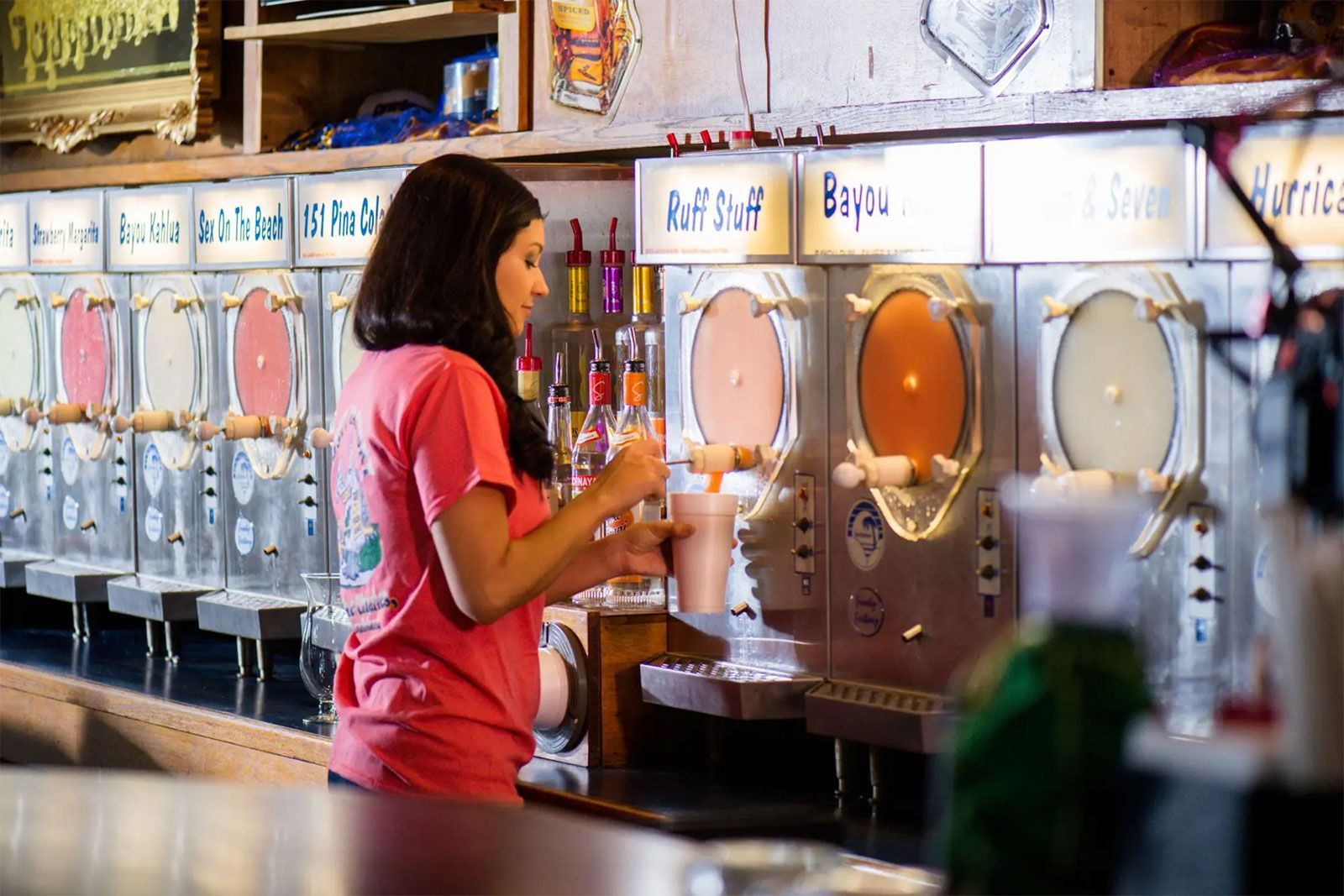
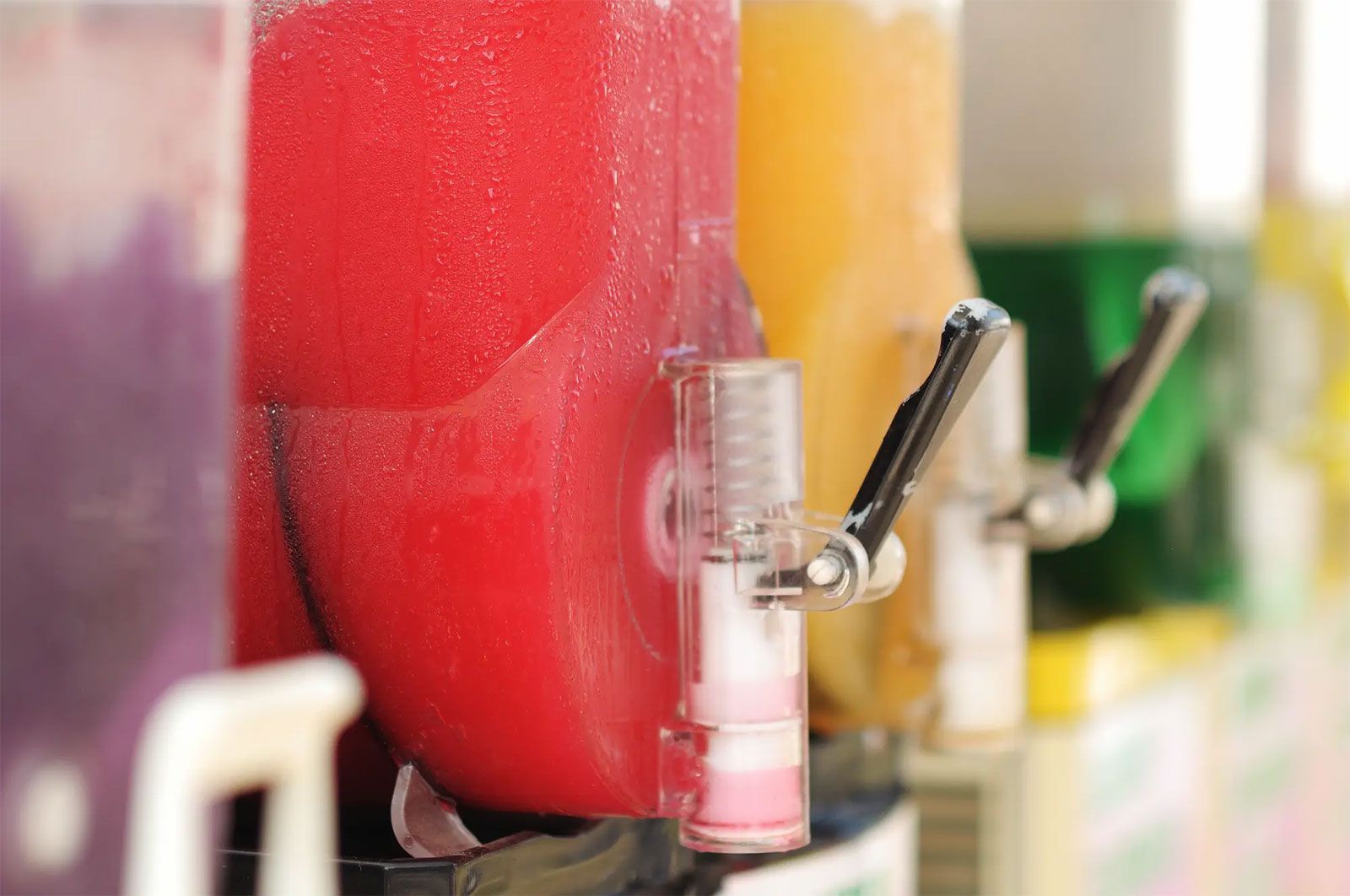
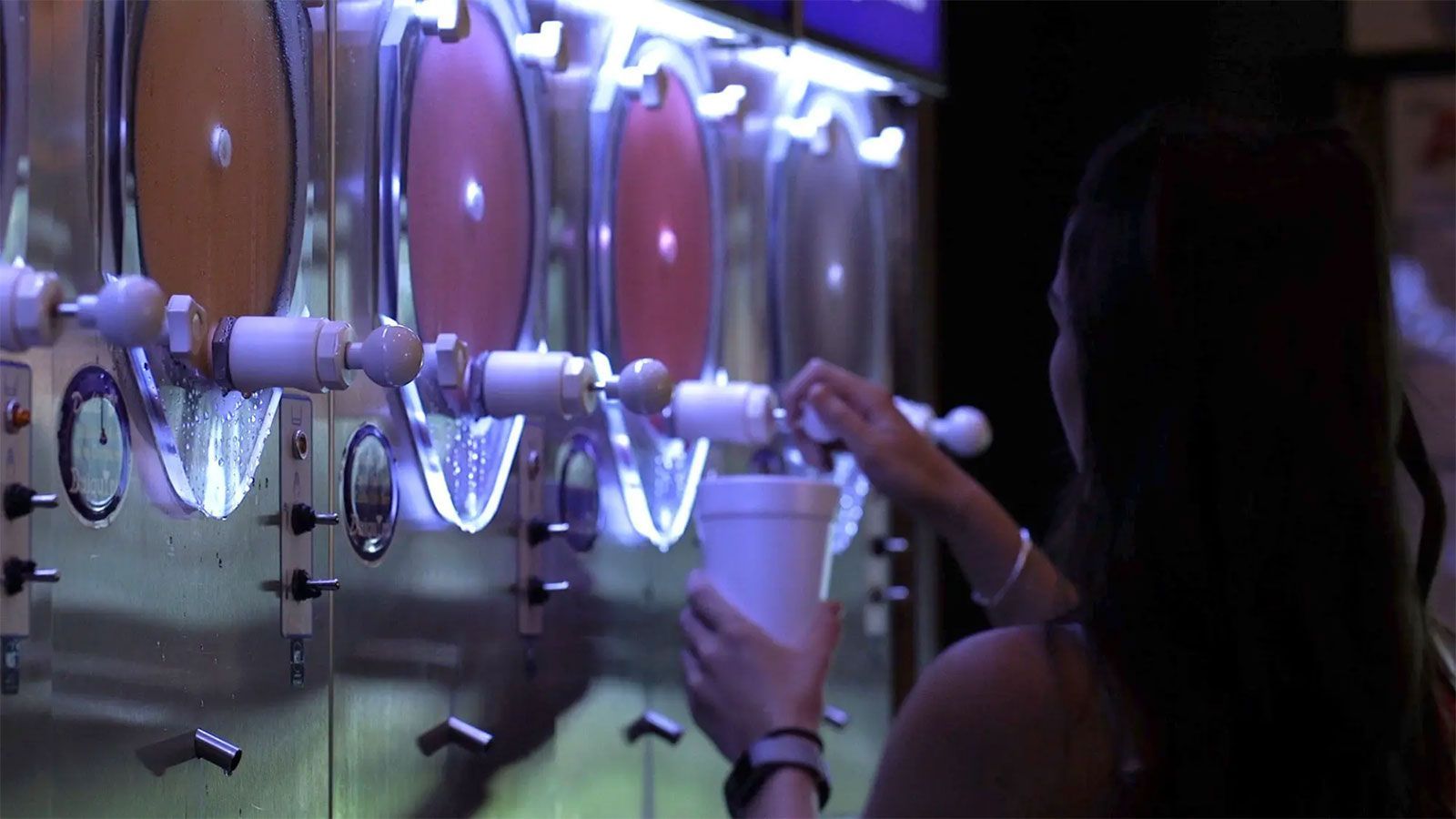
One of the biggest mistakes new operators make is purchasing equipment without accurately estimating demand. At the end of the day, customers expect frozen daiquiris. If your machines cannot keep up with demand, customer satisfaction suffers. Think About Volume First When selecting equipment, ask how many flavors you will offer, what your projected peak-hour sales are, how much product you will sell on weekends, and whether your equipment can recover quickly enough during rush periods. The right equipment is determined by volume, not simply by startup budget. Heat Management Matters Daiquiri machines generate a tremendous amount of heat. For shops with six or more machines, operators should seriously consider remote refrigeration systems, which move heat outside the building and reduce strain on the air conditioning system, and water-cooled machines, which use glycol or water to transfer heat outside the building and can dramatically improve operating conditions. Don't Forget Storage Storage is often underestimated. You'll need room for cups, lids, straws, frozen drink mixes, alcohol, cleaning supplies, and refrigerated backup product. Always ask yourself: "Where am I going to put everything?" Build an Efficient Mixing Area Most operators mix product in five-gallon batches. A large three-compartment sink with drain boards and easy access to ingredients can save labor and improve efficiency every day.
One of the biggest mistakes new operators make is assuming marketing begins after they open their doors. In reality, successful marketing starts before the first customer walks through the door. The good news is that the daiquiri business has a built-in advantage: your product can become your best advertisement. The Best Marketing Comes From Your Customers Today's customers share their experiences online. Every day, people post photos and videos of meals, drinks, vacations, and experiences on social media. The question every operator should ask is: "Will my drinks be worth posting?" If the answer is yes, your customers become your marketing department. Presentation Matters Consider the difference between a daiquiri served in a plain white Styrofoam cup with a flat lid and a colorful layered daiquiri served in a clear cup with swirled flavors, a dome lid, whipped cream, fresh fruit garnish, candy toppings, and decorative straws. One looks like a fountain drink. The other looks like an experience. Customers are far more likely to photograph and share a visually appealing drink. Create Signature Drinks Every successful daiquiri shop should have a few signature offerings. These drinks should look unique, have memorable names, create visual appeal, and encourage customers to share photos. The goal is to give customers something they can't easily find somewhere else. Social Media Loves Color Frozen drinks have a natural advantage because they are colorful. Layered drinks, bright colors, and creative garnishes naturally attract attention online. When developing your menu, think about both flavor and appearance. A great-tasting drink gets repeat customers. A great-looking drink gets free advertising. Build Excitement Before Opening Don't wait until opening day to begin marketing. Start building awareness weeks before opening by creating social media pages early, posting construction progress, sharing equipment installation photos, introducing flavors, hosting sample events, and building an email list. By opening day, customers should already know who you are. Consistency Builds Loyalty The most successful shops create a consistent customer experience. Customers should know that every visit will deliver great flavor, great presentation, and great service. Consistency is what turns first-time visitors into regular customers. Your Product Is Your Brand The most effective marketing budget in the world cannot overcome a poor product. Quality ingredients, attractive presentation, and consistent execution create customers who return and tell their friends. Design your drinks to be photographed. Design your business to be talked about. That's marketing that sells itself.