
The location you choose may have a greater impact on your success than any equipment, recipe, or marketing decision you make. While rental rates and building costs are important, experienced operators know that convenience, visibility, accessibility, and traffic patterns often determine whether a location thrives or struggles. Before signing a lease, spend time studying the area during different times of the day and week. Pay attention to traffic flow, nearby attractions, residential growth, and seasonal activity patterns. If Drive-Thru Service Is Permitted, Design Matters If state and local regulations allow drive-thru alcohol sales, don't simply ask whether a drive-thru is possible. Ask whether it will function efficiently during your busiest periods. Consider whether the drive-thru is easy to enter and exit, how many vehicles can be staged without backing up into the roadway, whether customers can easily navigate the traffic flow, and whether there is room for peak-hour traffic. A poorly designed drive-thru can create frustration and lost sales, while a well-designed drive-thru can become one of your greatest competitive advantages. Understand Traffic Patterns Not all traffic counts are equal. Consider which side of the road carries the most traffic during your peak sales hours, whether customers can access your location from both directions if there is a median, and whether customers have to go out of their way to visit your business. Even a high-traffic location can underperform if it is difficult to access. Visibility Matters A location may have thousands of vehicles passing by each day, but if drivers cannot easily see your building, signage, or drive-thru entrance, those traffic counts may not translate into sales. Visibility often matters as much as traffic volume. Consider Seasonal Traffic Daiquiri sales tend to increase during warmer months. Locations near residential developments, ball fields, parks, lakes, rivers, campgrounds, and recreational areas often experience strong seasonal demand. Know Your Competition Competition should be evaluated alongside traffic counts, population density, residential growth, and overall market demand. A great location with moderate competition will often outperform a poor location with no competition at all. Think About the Future The best location is not always the busiest location today. Often, it's the location that will be busiest five years from now. Look for growth corridors, new residential development, and expanding commercial activity.
Where permitted by state and local regulations, a drive-thru can be one of the most valuable features of a successful daiquiri shop. Many operators report that drive-thru sales account for a substantial percentage of their total revenue. The Drive-Thru Has No Personality Every bar develops its own atmosphere and clientele. Some customers love that environment. Others prefer the convenience and privacy of a drive-thru. A drive-thru allows customers to purchase your products without being influenced by the crowd inside. Parents Love Convenience A drive-thru allows parents to remain in their vehicle while making a purchase rather than unloading children and entering the establishment. Many customers appreciate the ability to pick up properly sealed beverages on their way home, to a gathering, or to another destination. You'll Reach More Customers Many drive-thru customers would never walk into a traditional bar. A drive-thru broadens your customer base far beyond traditional bar patrons. The Sales Impact A properly designed drive-thru can increase overall sales by 50% to 60% compared to a similar operation without one. For many operators, it becomes one of the most valuable revenue-producing assets in the business.
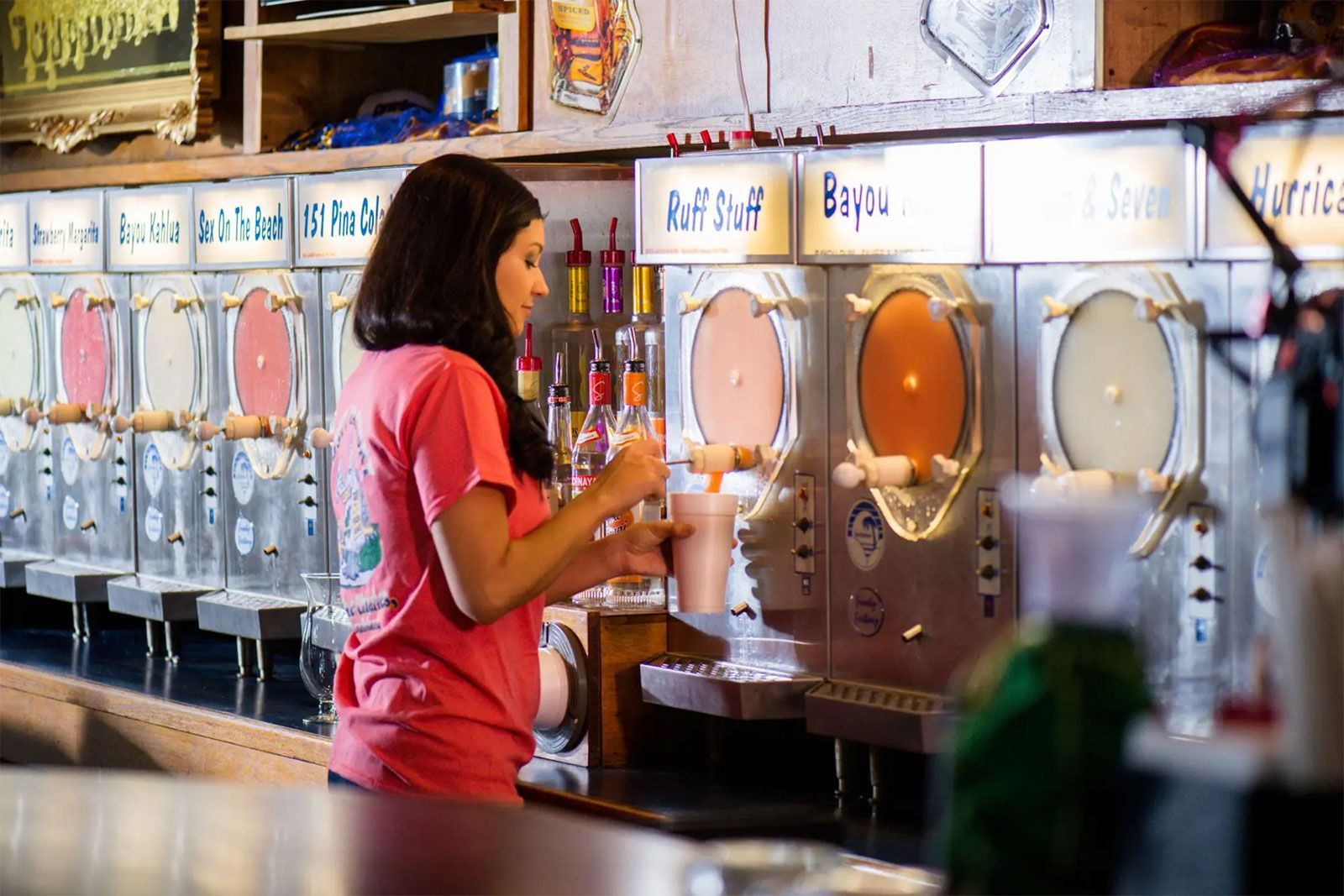
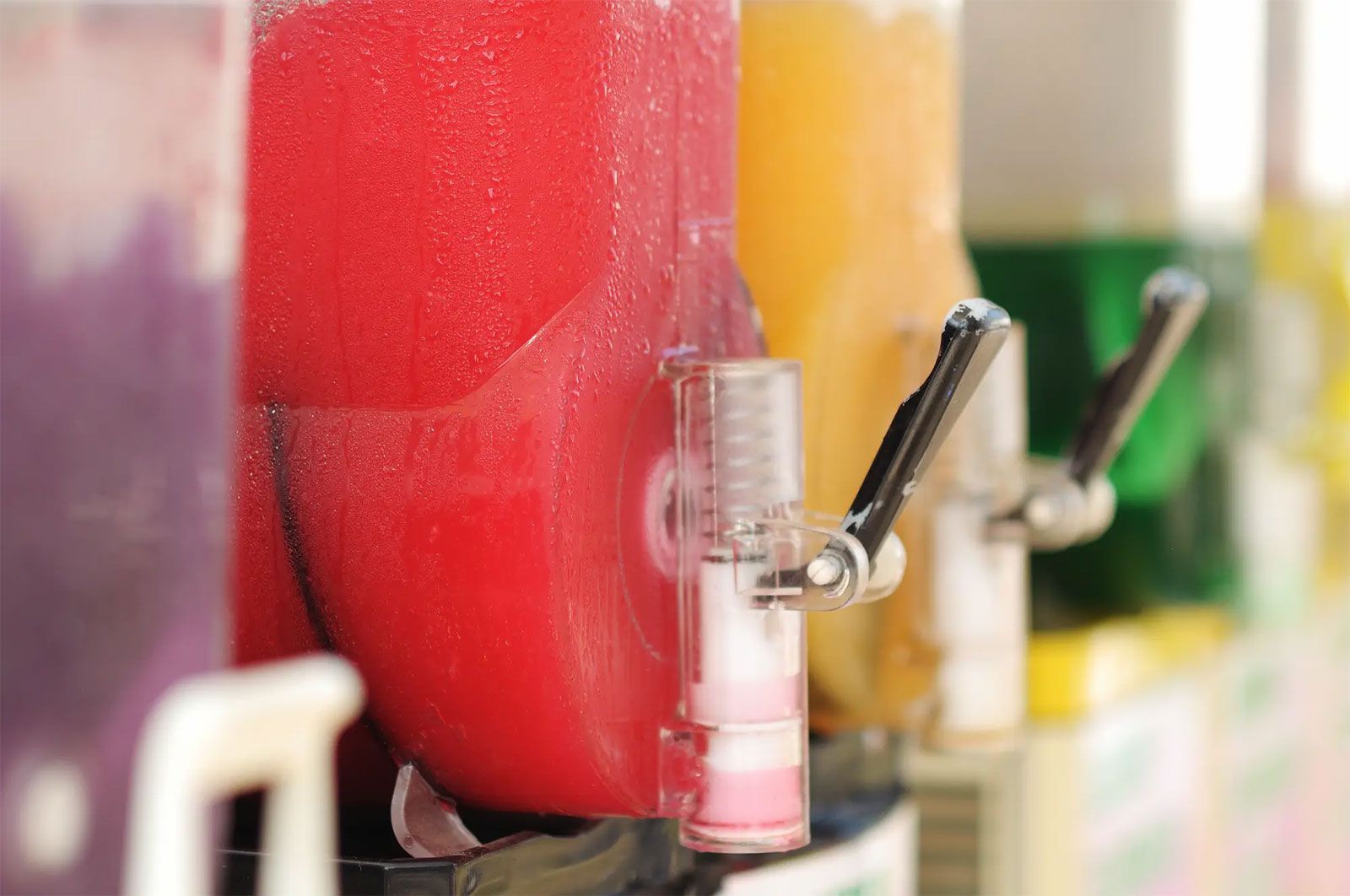
One of the biggest mistakes new operators make is purchasing equipment without accurately estimating demand. At the end of the day, customers expect frozen daiquiris. If your machines cannot keep up with demand, customer satisfaction suffers. Think About Volume First When selecting equipment, ask how many flavors you will offer, what your projected peak-hour sales are, how much product you will sell on weekends, and whether your equipment can recover quickly enough during rush periods. The right equipment is determined by volume, not simply by startup budget. Heat Management Matters Daiquiri machines generate a tremendous amount of heat. For shops with six or more machines, operators should seriously consider remote refrigeration systems, which move heat outside the building and reduce strain on the air conditioning system, and water-cooled machines, which use glycol or water to transfer heat outside the building and can dramatically improve operating conditions. Don't Forget Storage Storage is often underestimated. You'll need room for cups, lids, straws, frozen drink mixes, alcohol, cleaning supplies, and refrigerated backup product. Always ask yourself: "Where am I going to put everything?" Build an Efficient Mixing Area Most operators mix product in five-gallon batches. A large three-compartment sink with drain boards and easy access to ingredients can save labor and improve efficiency every day.